
Is College Worth It Still?
For years, going to college was seen as the natural next step after high school. But today, more students are starting to question the value of higher education. With rising tuition costs, concerns about student debt, and changing career paths, many are rethinking whether college is the right choice for their future. This shift is happening across the country…and as a result, college enrollment is declining nationwide. At Angelo State University, enrollment plays a critical role in supporting academic programs, campus resources, and student opportunities. When enrollment declines, universities face real challenges in maintaining the quality, variety, and accessibility of those programs. This can impact everything from class availability and faculty support to student experiences and campus involvement. But this issue doesn’t stop at the university level… It also affects the local workforce, economic development, and long-term community growth. Communities rely on college graduates to fill essential roles, support local businesses, and contribute to a skilled and prepared workforce. When fewer students pursue higher education, those opportunities and connections begin to shrink. This isn’t just a higher education issue—it’s a community issue.
Higher education shapes our future…
That’s why I chose ASU.
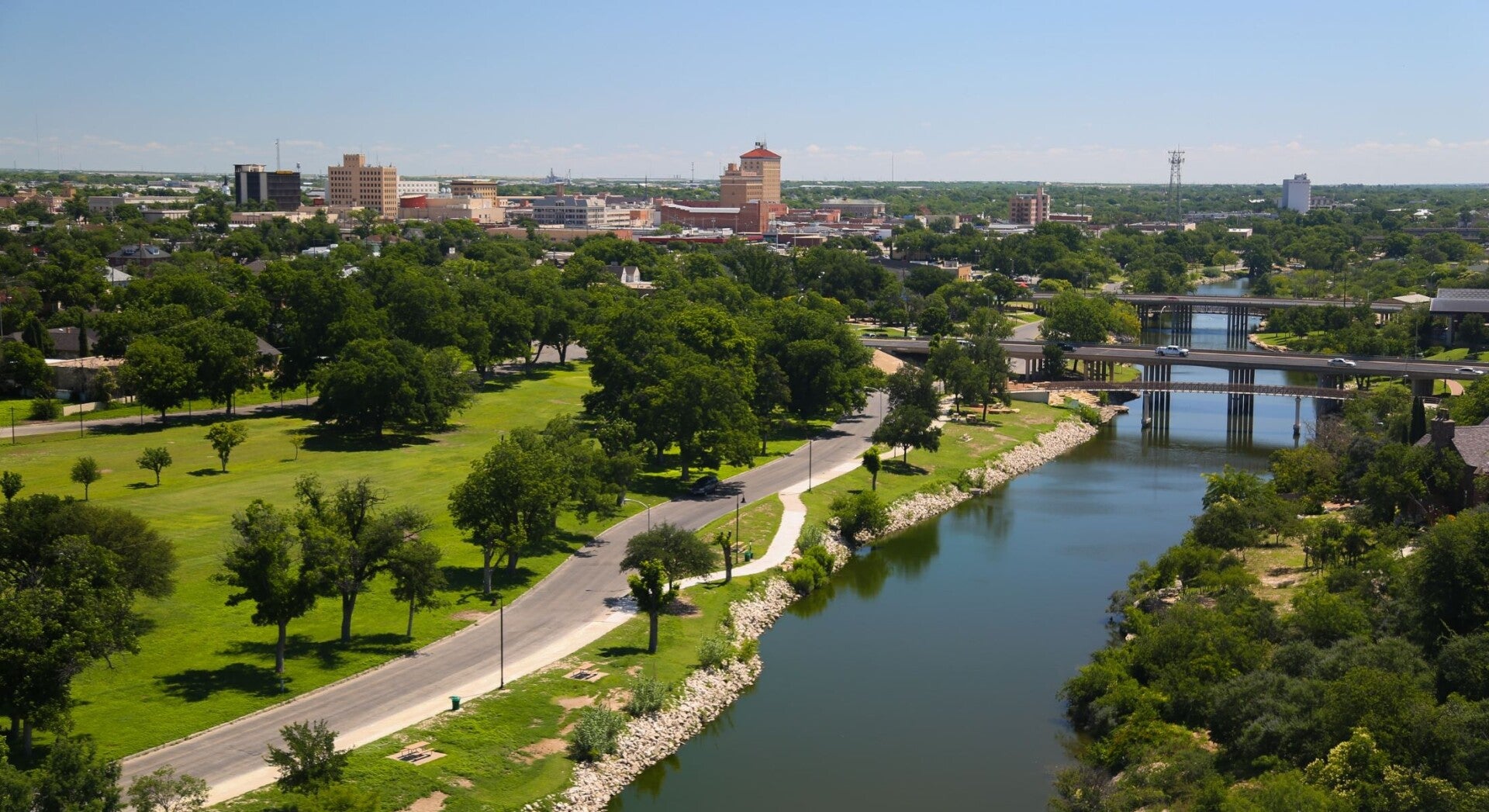
San Angelo Community Overview
Understanding the San Angelo community is essential when addressing enrollment decline and changing perceptions of higher education. The following sections provide research, demographic data, and community feedback that help identify educational needs, workforce expectations, and opportunities for community engagement.
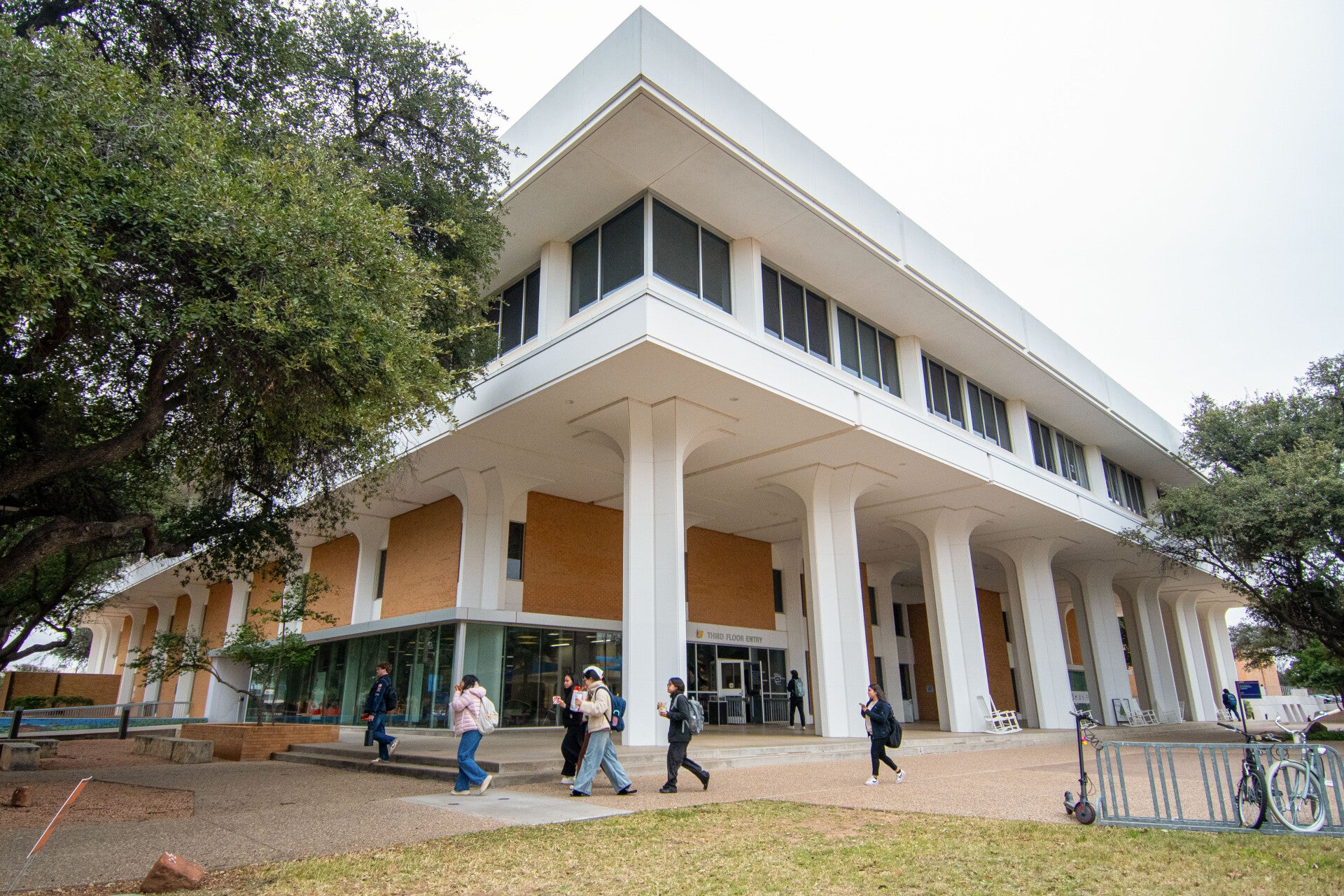
Enrollment Decline and the Changing Perception of Higher Education
Higher education institutions across the United States are facing what experts describe as an “enrollment cliff,” referring to the declining number of students entering college directly after high school graduation. This issue is largely connected to declining birth rates following the 2008 recession, which has resulted in a smaller population of traditional college-aged students. Colleges and universities nationwide are already experiencing the effects of this demographic shift.
At the same time, perceptions regarding the value of higher education are changing. Rising tuition costs, student loan concerns, workforce changes, and the availability of alternative career pathways have caused many students and families to question whether a college degree is worth the investment.
For institutions like Angelo State University, these issues directly impact recruitment, enrollment, student success, workforce preparation, and long-term institutional sustainability.
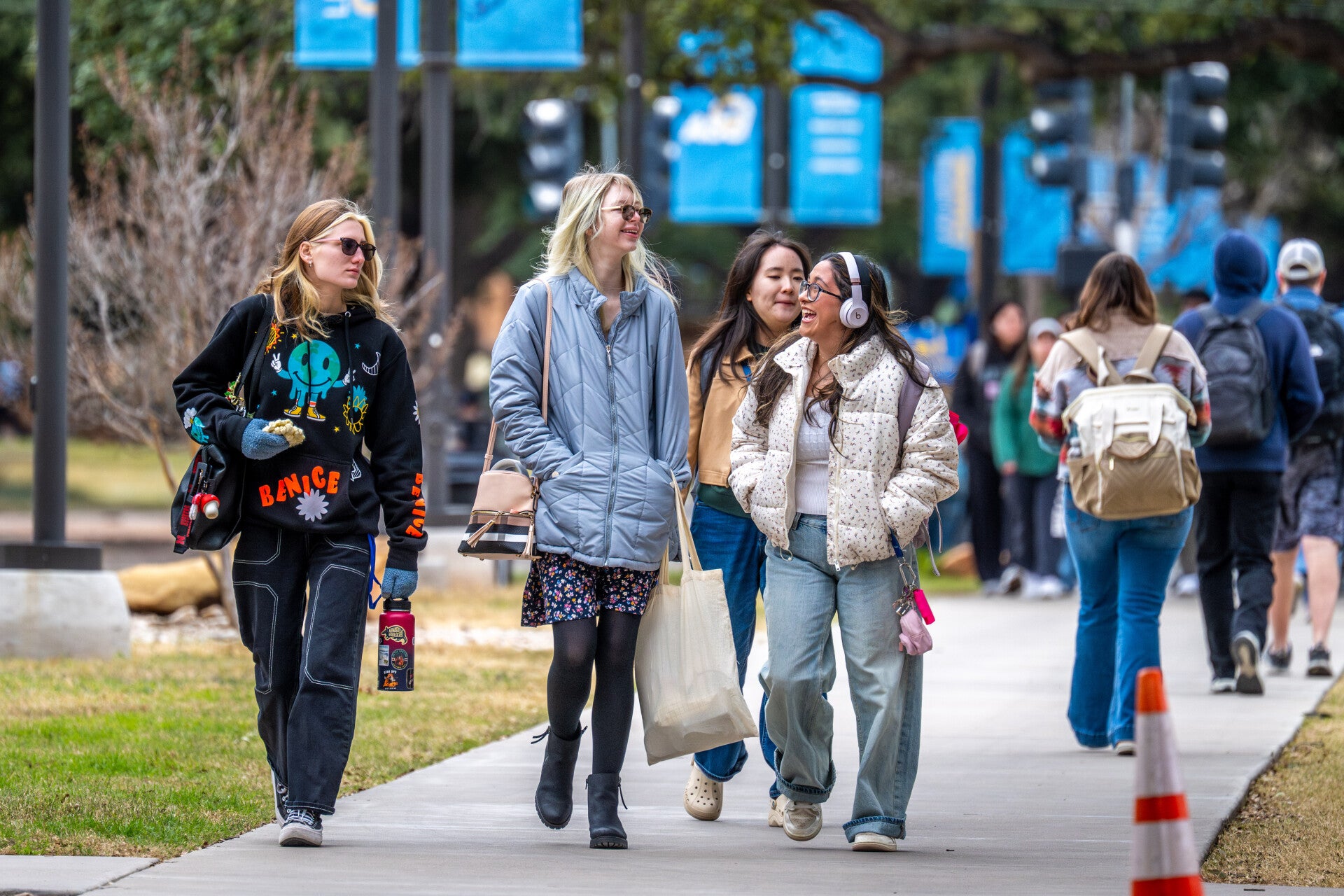
Meet the people and partnerships behind Impact Starts Here
The success of Impact Starts Here is rooted in the strength of the San Angelo community and the partnerships that support student success, workforce development, and educational opportunity throughout West Texas. As higher education faces enrollment decline and changing perceptions of college value, collaboration between universities, schools, businesses, healthcare organizations, and community leaders has become more important than ever.
San Angelo is a growing and diverse community with a population of 99,661 and a strong foundation of educational and workforce partnerships. Angelo State University continues to work alongside organizations such as Shannon Medical Center and San Angelo ISD to provide students with meaningful hands-on experiences, career preparation opportunities, and pathways to long-term success.
Through internships, clinical rotations, student teaching opportunities, mentorship programs, and regional recruitment initiatives, these partnerships help connect students from the classroom to real-world careers while strengthening the future workforce of West Texas.
Together, these collaborations demonstrate how community engagement and higher education can create lasting impact for students, families, and the region as a whole.
"Higher education is more than a degree — it is an investment in opportunity, growth, leadership, and future success."
Impact Starts Here
Create Your Own Website With Webador